



In the medical field, production efficiency must go hand in hand with extremely high standards of hygiene, safety, and control. In this context, designing cleanroom-ready automation systems is not just a strategic choice—it’s an essential requirement.
Cleanrooms are controlled environments where contamination is minimized and constantly monitored. They are regulated by international standards such as ISO 14644, which classifies cleanrooms based on the maximum allowable concentration of airborne particles.
In medical manufacturing, the most common classes are ISO 5, 6, and 7, typically used for the assembly of implantable devices, surgical tools, biotech components, or pharmaceutical delivery systems.
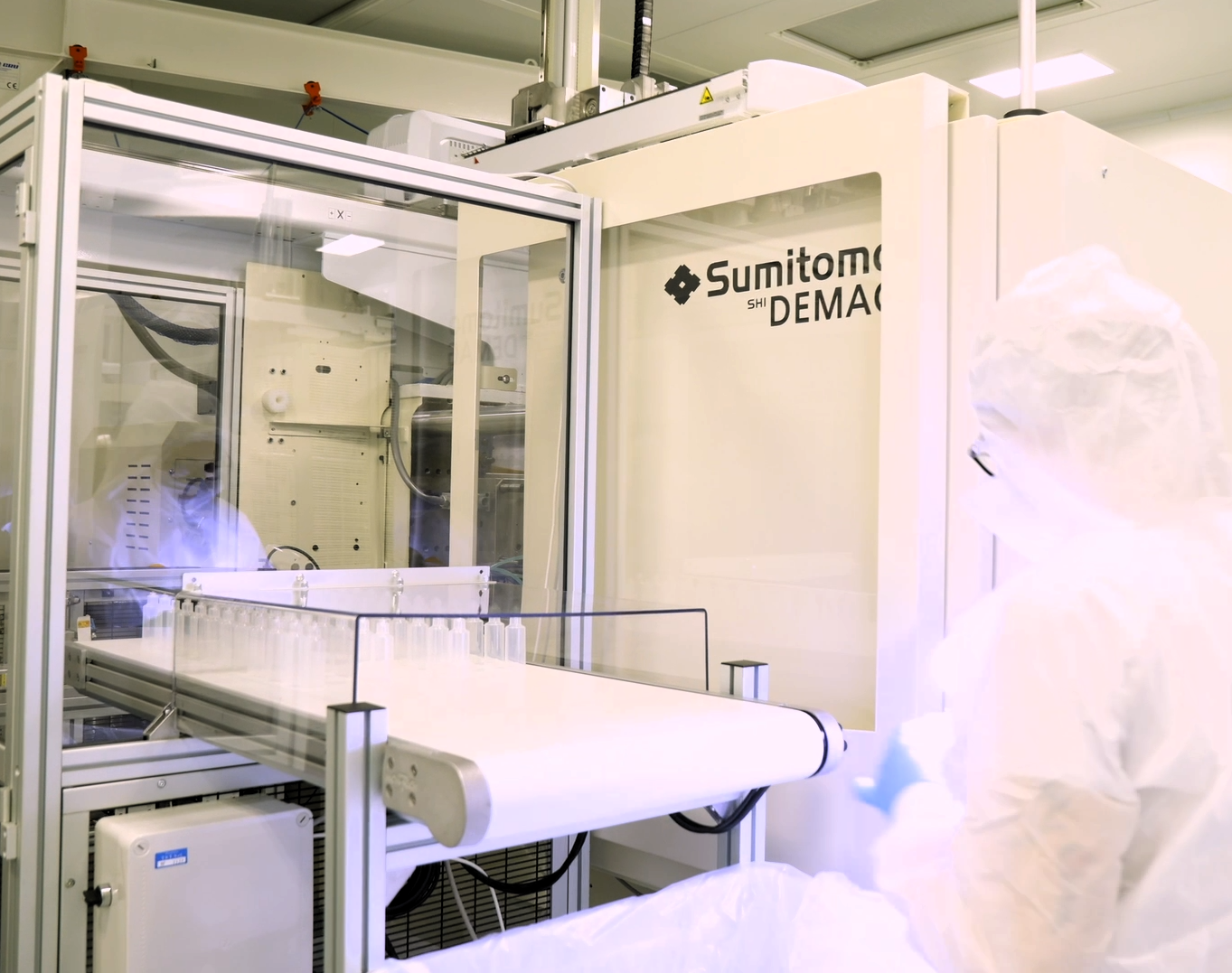
Automation for cleanrooms: key design challenges
Integrating an automated line within a cleanroom requires addressing several specific design challenges—from material selection to sterile airflow management, from data traceability to process validation. Every detail must contribute to minimizing contamination risk and ensuring compliance with regulations.
Bonetto Med-Tech solutions, developed specifically for the medical industry, are designed to meet these requirements by combining reliability, cleanliness, and precision.
1. Materials and surfaces
In clean environments, material choice is critical. Components must be compatible with cleaning procedures and resistant to aggressive disinfectants. Essential standards include AISI 316L stainless steel, FDA-certified plastics, non-toxic coatings, and smooth, non-porous, easy-to-sanitize surfaces.
Material requirements vary based on cleanroom classification:
- In ISO 7 environments, certified materials may only be required for product-contact parts.
- In ISO 5 environments, all exposed surfaces must typically be made of certified stainless steel with suitable sterile finishes.
Bonetto lines meet these criteria and include full material certification in the technical documentation, ensuring complete traceability.
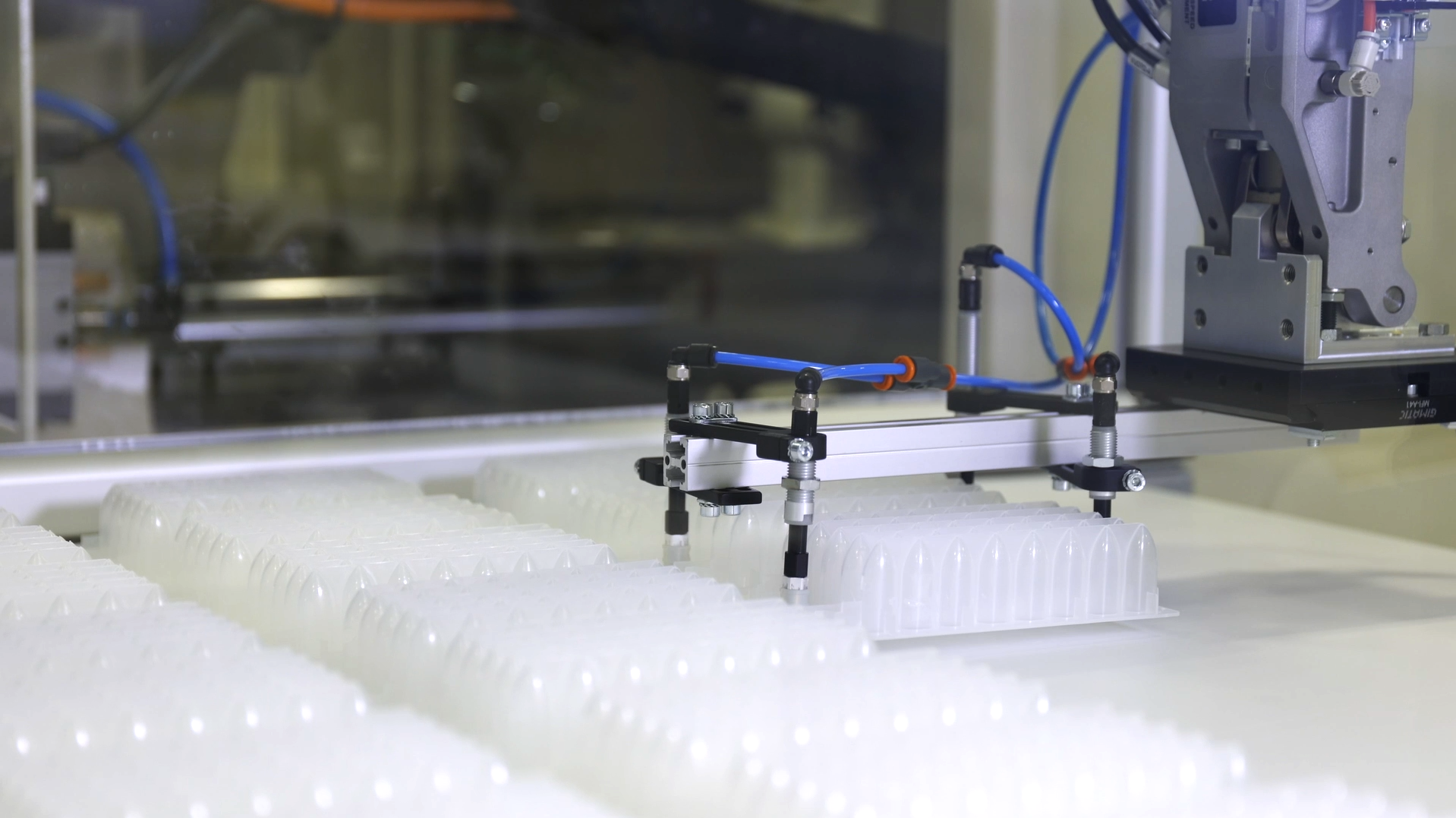
Production in cleanroom (picture by T.S.T. Plastics Technologies)
2. Hygienic and compact design
Mechanical design plays a crucial role. Equipment must be free of sharp edges, hidden cavities, or areas that are difficult to clean. Hygienic design principles help reduce contamination risk and simplify sanitization.
Automation systems must also be compact to fit within the limited space typical of cleanrooms. Bonetto Med-Tech systems are developed accordingly and follow GAMP 4 or GAMP 5 guidelines—globally recognized standards for the design and validation of automated systems in medical and pharmaceutical environments. This ensures every solution is not only reliable but also documented, traceable, and audit-ready.
3. Contamination control

To minimize particle generation and maintain cleanroom integrity, specific technical choices are made, such as:
- Dry or solid-state lubrication
- Low-wear, sealed guides and bearings
- Encapsulated brushless motors (IP67 rated)
- Antistatic belts and ESD-safe materials
- Fully enclosed cable and pneumatic routing
Bonetto systems for ISO 5 and 6 environments also feature localized micro-extraction and mechanism isolation to contain even the slightest emissions near the work area.
4. Integration with HVAC e laminar flows
Cleanroom-ready systems must align with the directional laminar airflow and positive pressure typical of controlled environments. Geometry, openings, and enclosures must reduce turbulence and avoid disrupting sterile airflow.
Compressed air must be routed externally to avoid internal contamination, and pneumatic terminals should be positioned in technical or classified areas, depending on layout.
Bonetto systems are designed to integrate smoothly with existing HVAC infrastructures, including those in high-classification cleanrooms.
5. Traceability and validation
Validation and traceability are essential in medical automation. Equipment should support:
- Full traceability by batch or single unit
- Certified sensors, data logging, and automatic recording of process parameters
- Vision systems for inline quality control with image storage
- OPC-UA, MQTT, or Ethernet interfaces, compatible with SCADA and MES
The entire project lifecycle must follow V-model validation (URS, DQ, IQ, OQ, PQ), in accordance with GMP and ISO 13485. Bonetto Med-Tech machines are designed to support this process and ensure full compliance.
Bonetto Med-Tech: customized automation for sterile environment

For years, Bonetto has been designing and building customized automation solutions for the medical sector, specifically engineered for installation in ISO 5, 6, and 7 cleanrooms.
Each Bonetto system is developed based on customer requirements and designed to ensure:
- Maximum process reliability and precision
- Cycle time reduction
- Easy cleaning and maintenance
- Compliance with GAMP, GMP, and ISO 13485
Thanks to our experience and close collaboration with cleanroom experts, we deliver fully customized systems that meet the strictest standards—becoming an integral part of your product’s quality assurance process.
💬 Need an automated line for your cleanroom?
Write us to sales@bonettoautomazioni.com for a technical consultation: we will design, build, and install a fully customized automation system, fully compliant with ISO standards and medical regulations—ready to be integrated into your cleanroom.
👉 And don’t forget to follow us on LinkedIn to stay updated on Bonetto Automation’s latest news, innovations, and expertise.
